Small Watts, Big Feel
The magic of small tube amps, and why Class A still rules

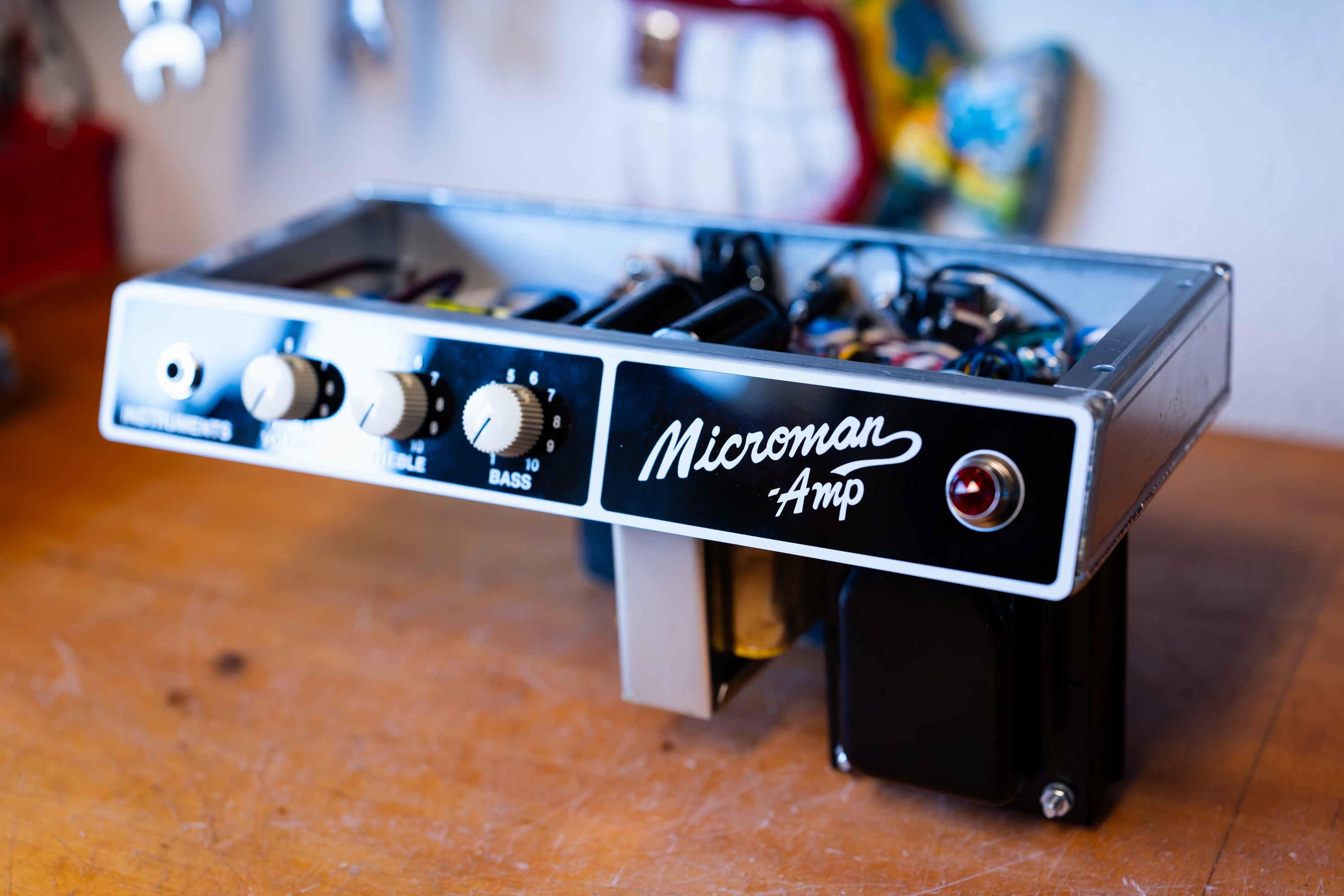
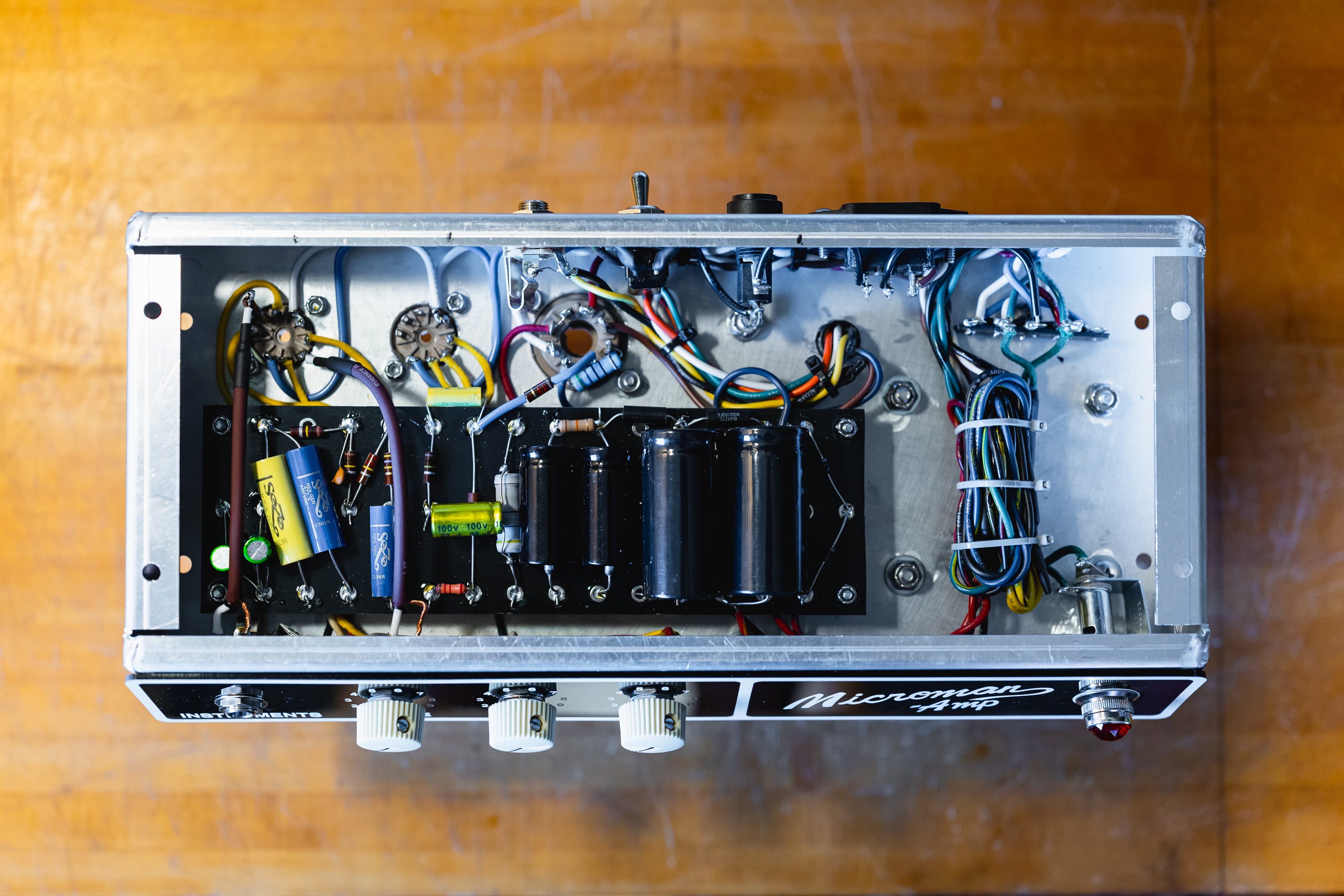
With all the excitement surrounding the custom “Microman” Mini Bassman I’m finishing up this week, I found myself thinking about why small tube amps seem to hit such a nerve with players right now.
Maybe it is the lower volume. Maybe it is the simplicity. Maybe it is the idea that you can get an amp working hard without needing a giant stage or an angry neighbor. But the more I thought about it, the more it brought me back to the first time I ever experienced a Class A tube amp.
I didn’t know it was a tube amp at the time, I didn’t even know what a tube amp was. I was in sixth grade and had somehow been recruited to sing “Bang Your Head” by Quiet Riot in the school talent show, not because I had any real vocal talent, but probably because I was the only kid stupid enough, or brave enough, to say yes. The idea of being in a band sounded cool, and that was the full extent of my reasoning.
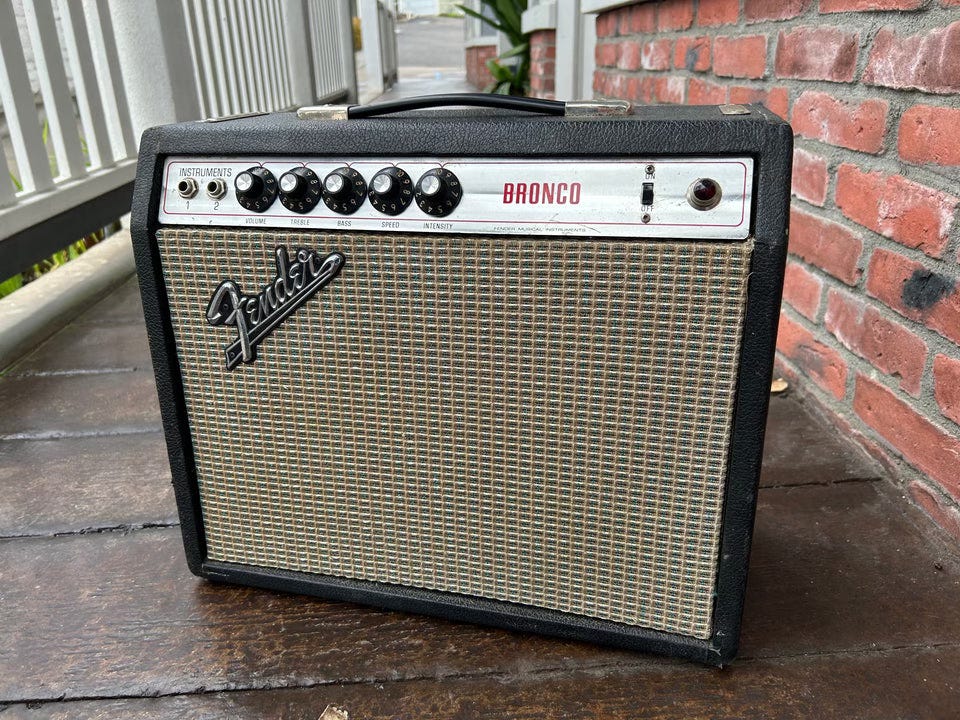
I grew up in a house where music was everywhere, AOR rock radio in the car, albums at home, music on camping trips, the whole thing. So the idea of actually being in a band felt like stepping into another world. We showed up for our first rehearsal at a kid named Jody’s house, and sitting there in the corner was a pristine early ’70s Lake Placid Blue Fender Mustang and a silverface Fender Bronco amp.
I knew absolutely nothing. I didn’t know about tubes, circuits, speakers, bias, transformers, or why one amp felt different from another. I didn’t know any of those words in that context. All I knew was that this thing made sound, looked impossibly cool, and I wanted one.
Between rehearsal takes, Jody would let me pick up the Mustang and make a few horrible noises through that little Bronco. I’m sure none of it sounded good, but to me, it was magic. The guitar responded, the amp came alive, and the whole thing felt dangerous and electric in the best possible way. That was it, I was hooked.
We played the talent show and won. I’m still convinced the packed, screaming gymnasium drowned out my most likely horrible vocals, but for the rest of that year we were celebrated like heroes. Here’s the irony that still makes me laugh, that little Bronco was a single-ended Class A tube amp, one of the simplest and most direct amplifier designs you can plug a guitar into. It was a circuit type I now spend my time thinking about, repairing, designing around, and building. I had no idea. I was just a kid holding a Mustang, making noise through a student amp, feeling something I couldn’t explain yet.
That is the strange thing about small tube amps. On paper, they look limited, one power tube, a handful of watts, a small speaker, a few knobs, no master volume, no channel switching, no endless tone-shaping options. But when they are right, they feel enormous, not because they are loud, but because they are alive.
The Little Amp
The Fender Bronco amp was not marketed as some sacred piece of tone history. It was a student amp from the same basic world as the Vibro Champ, small, simple, approachable, and built for the kind of player who was just starting out. It was the kind of amp a kid might actually end up with in a bedroom, garage, or first rehearsal space, which is exactly what happened to me.
That matters because so many legendary guitar moments do not start with the biggest rig in the room. They start with whatever is close enough to plug into, a little amp in the corner, a borrowed guitar, a sound that grabs you before you know why. The Bronco, Vibro Champ, and Champ all live in that beautiful little Fender universe where the circuit is simple and the amp gives you nowhere to hide.
Plug in, turn it up, and the whole thing starts talking back. The guitar volume matters, your picking hand matters, the speaker matters, and the room matters. A small amp like that does not separate the player from the circuit, it pulls the player into it.
That is a very different feeling from plugging into a big clean amp that is barely awake. A little single-ended amp starts working early, the speaker begins moving, the power tube begins compressing, and the circuit starts to lean into the note. You are not hearing a giant amp idling, you are hearing a small amp fully engaged. That is the magic.
What Single-Ended Actually Means
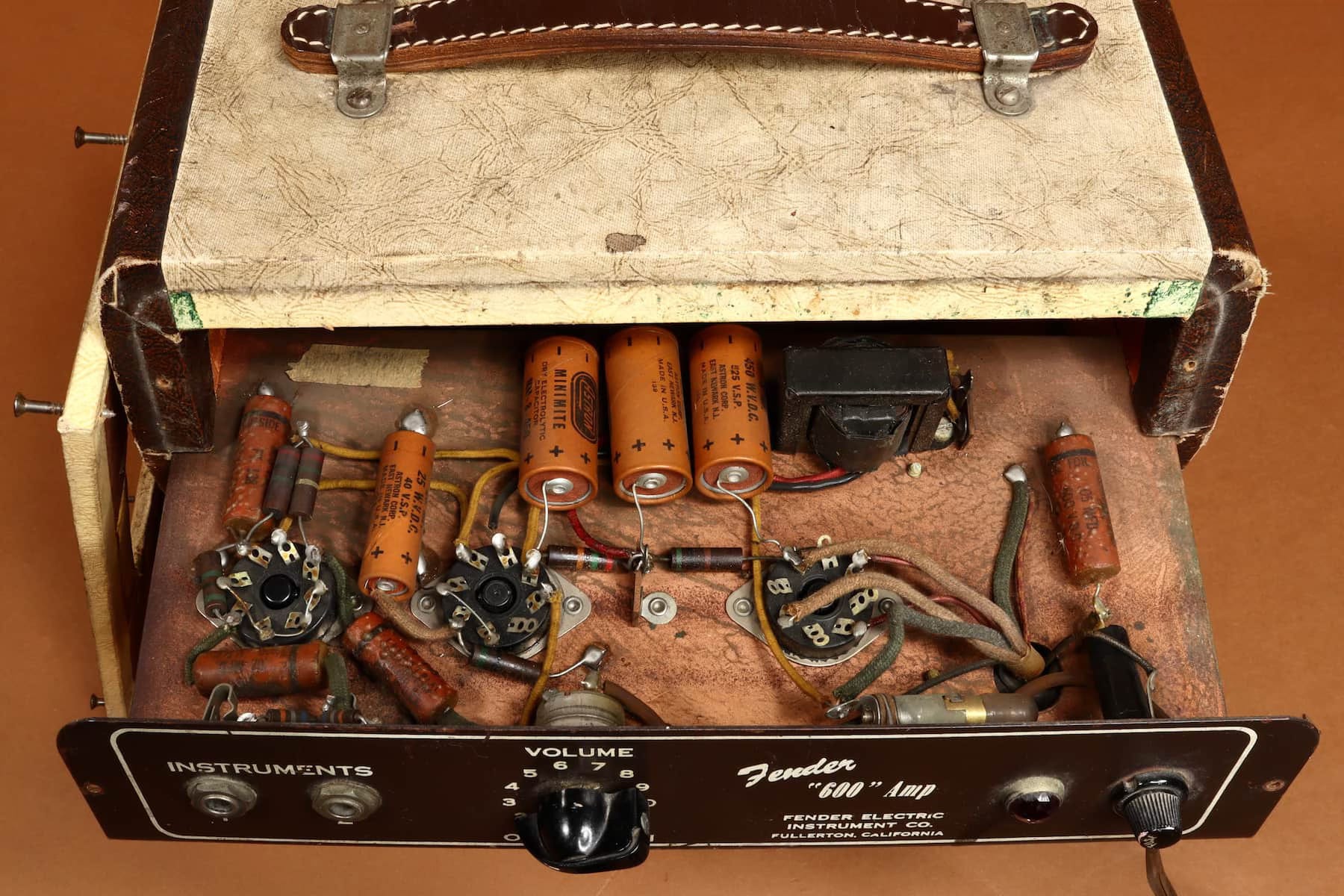
Most bigger tube amps use what is called a push-pull output stage. Two or more power tubes work together, one tube handles part of the signal, another handles the opposite part, and the amp recombines everything through the output transformer. It is efficient, powerful, and it is how many classic larger amps make their sound.
A single-ended amp is different because one power tube handles the whole signal by itself. There is no pair of output tubes sharing the work, no phase inverter splitting the signal before the power section, and no big complicated output stage. It is simply the guitar moving through the preamp, into one power tube, through the output transformer, and out to the speaker.
That directness is a large part of the feel. There is less between your hands and the sound, so the amp reacts quickly, changes with your attack, responds when you roll your guitar volume back, and pushes when you dig in. That is why these amps can feel so immediate. They do not just amplify the guitar, they reveal it.
What Class A Feels Like
“Class A” gets thrown around a lot in guitar amp culture, sometimes accurately, sometimes not. For the player, the simplest way to think about it is this, the power tube is always working. In a Class A single-ended amp, that one output tube is already conducting before you hit the first note. It is sitting there warm, active, and ready to respond.
That is part of why these amps can feel so touch-sensitive. Pick lightly and the amp stays sweet and open, dig in harder and the tube starts to compress, the note blooms, and the edge comes forward. The amp does not just get louder, it changes shape under your hands.
That is the thing players feel before they know the terminology. You play softer and the amp gives you one version of itself, you play harder and it gives you another. There is no preset for that, no menu, no hidden trick, it is just the circuit doing what the circuit does.
The American Voice
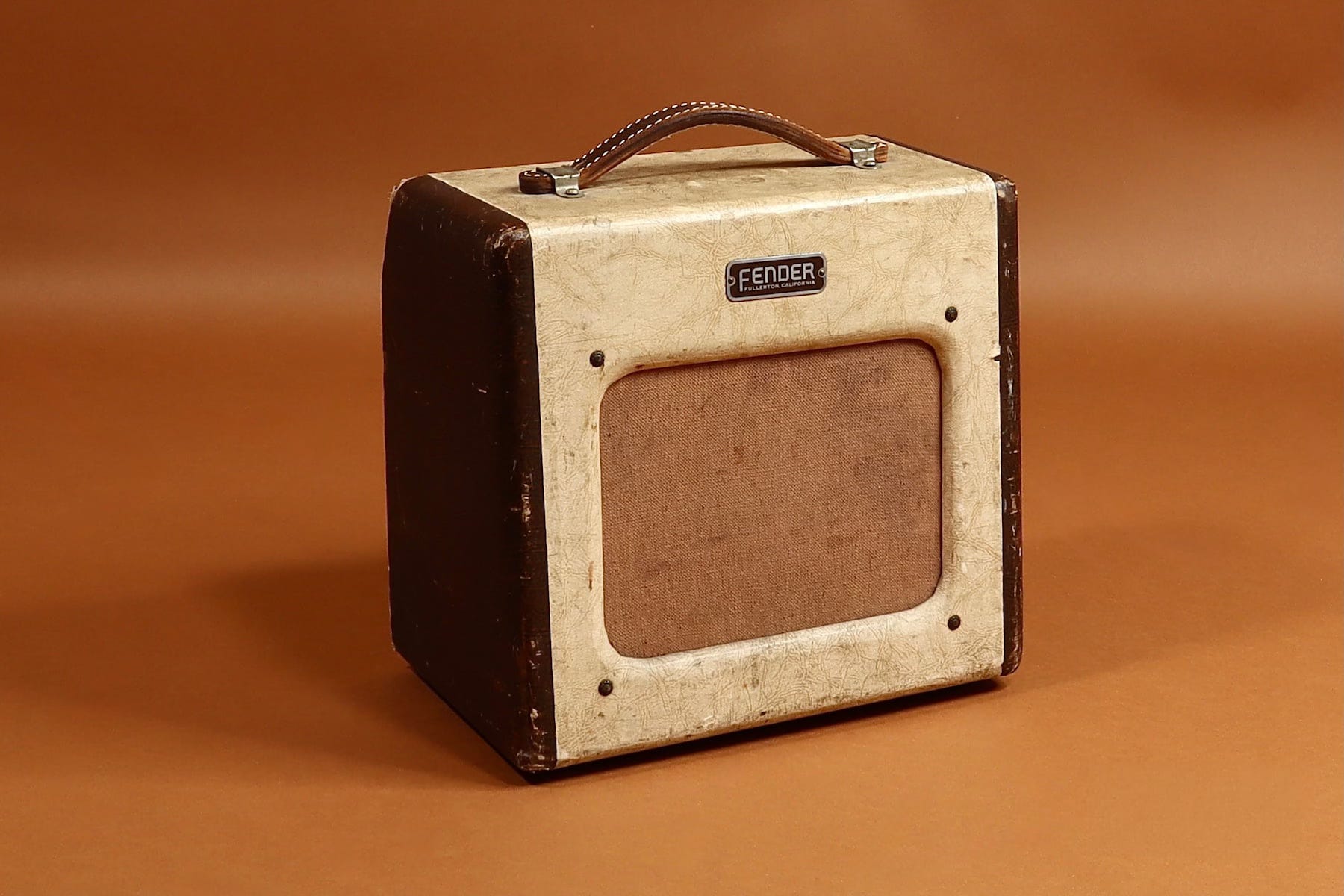
The Fender Champ is probably the most famous small single-ended amp ever made. Like the Bronco, it began life as a student amp, something simple, portable, and affordable. But somewhere along the way, players and recording engineers realized something important, a little amp turned up in a room can sound huge under a microphone.
The Champ does not need to fill an arena, it just needs to fill the song. That is why small Fender amps have become such studio favorites. They compress, they bloom, and they have a way of sitting in a track without taking up too much space. They give you the sound of an amp working without requiring the volume of a stage rig.
The Vibro Champ adds tremolo to that same family of sounds, and the Bronco, sitting right in that same neighborhood, carries the same basic lesson. Simple does not mean lesser, sometimes simple is exactly why the sound works.
The British Accent
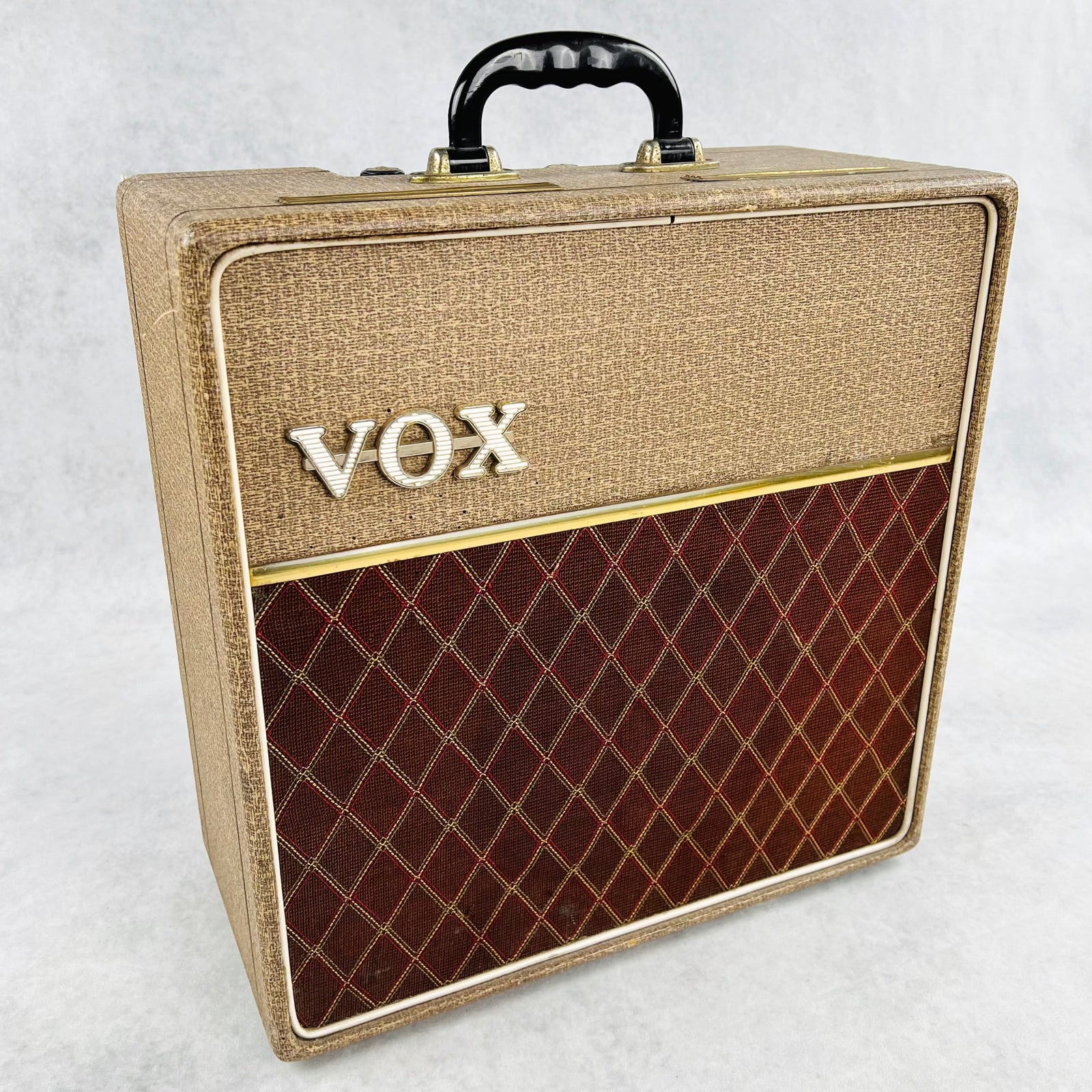
On the other side of the pond, the Vox AC4 tells a similar story with a different accent. It is still small, still simple, and still single-ended, but the voice is different. Where a Champ or Bronco has that sweet American compression and softer attack, the AC4 leans more toward upper-mid chime, harmonic grit, and British bite. It can feel more forward, more vocal, and more urgent.
That is an important point because Class A single-ended is not one sound, it is a way of building an amp. The tube choice, transformer, speaker, cabinet, preamp, and power supply all shape the final voice. A Champ does not sound like an AC4, and a Bronco does not sound like a little Marshall, but they all share a certain honesty. A small circuit, a working power tube, a speaker that actually gets involved, and a player who has to bring something to the table.
Why Small Watts Are Back
For a long time, guitar culture worshiped bigger amps, bigger cabinets, more wattage, more channels, more headroom, more switches, and more ways to avoid committing to a sound. But the way people actually play guitar has changed.
Most players are not standing in front of a full stack every night. They are playing at home, recording in bedrooms, making videos, writing parts, tracking guitars in small rooms, and trying to get inspired without punishing everyone in the house. The dream is not always volume anymore, the dream is feel.
That is why small amps are having a moment again. A good low-watt tube amp lets you hear the whole circuit working at a usable volume. You can feel the speaker move, you can hear the power section start to compress, and you can use the guitar’s volume knob and actually hear the amp clean up or push harder in response. The amp becomes a participant, not just a box at the end of the cable.
The Catch
Not every small amp is great, and low wattage does not automatically mean good tone. A small amp can sound thin, boxy, harsh, noisy, or flat if the design is not right. In a simple circuit, every choice is exposed. The output transformer matters, the speaker matters, the cabinet matters, the bias point matters, and the filtering matters. There is nowhere to hide.
That is also what makes these amps so rewarding when they are done well. A great small amp feels like one complete instrument. It does not overwhelm you with options, it gives you a point of view, and it asks you to use your hands. That is why the best little amps are not toys, they are truth machines.
The Mini Plex Question
This is where it gets interesting to me as a builder. I love the honesty of the Champ. I love the immediacy of the Tweed Princeton and Bronco-style circuits as well. I love the way a simple amp forces you to interact with the guitar instead of hiding behind settings. But I also grew up on big rock records, Led Zeppelin, AC/DC, Jimi Hendrix & ZZ Top…classic AOR radio, British amps pushed hard, and guitars that sounded larger than life.
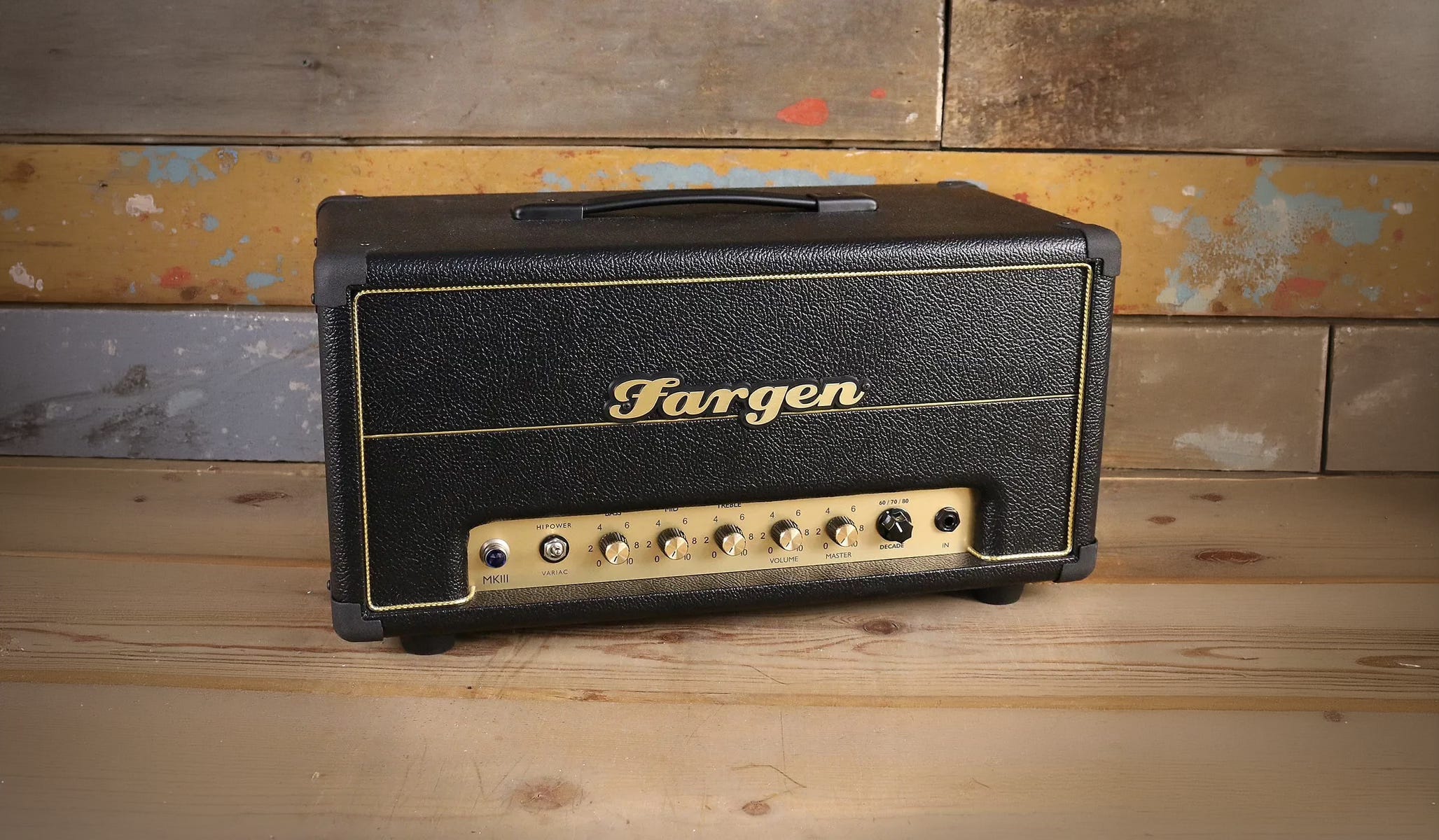
So the question becomes, can you take the immediacy and touch sensitivity of a small single-ended amp and aim it toward a bigger British voice? That is the spirit behind my Mini Plex approach. Not a toy amp, not a tiny box pretending to be a full stack, but a compact, responsive tube amp that borrows from the high energy and harmonic attitude of classic British circuits while staying in a volume range that makes sense for how people actually play today.
The goal is not just less volume, the goal is more usable interaction, more touch sensitivity, more power tube feel, and more of that amp-working-with-you sensation that made the great small amps so addictive in the first place.
A Final Thought
Some amps impress you with power, but small single-ended amps do something different. They make you aware of the relationship between your hands, the guitar, the circuit, and the speaker. They reward touch, they punish laziness, they clean up when you ask them to, and they push back when you dig in.
That is why the Champ still matters, why the Tweed Princeton and Bronco still matter, why the Vox AC4 still matters, and why modern low-watt tube amps are not just nostalgia. They are practical, inspiring answers to the way many of us actually play guitar now.
Small watts do not mean small tone. Sometimes the smallest amp in the room is the one that tells the truth.
If you enjoyed this one and want to see more deep dives like it, consider becoming a paid subscriber to The Tone Journal.
Paid support helps me keep writing these longer articles, documenting custom amp builds, sharing the stories behind classic circuits, and creating more useful tone content for players who care about the details.
I’m building this as a home for real-world tube amp knowledge, guitar tone history, repair notes, design philosophy, and the kind of behind-the-scenes amp work that usually never makes it into a polished article.
Your support helps keep that going.
Become a paid subscriber and join me deeper inside The Tone Journal.
Are there small low watt tube amps that are currently on the market that you'd recommend? Ones in the low to mid price range.